
What Can’t Go in a Rubbish Skip? Common Mistakes to Avoid Today
Hiring a rubbish skip is one of the most efficient ways to manage large volumes of waste, especially during home renovations, commercial construction projects, garden clear-outs, or office relocations. It saves time, provides a central place for waste collection, and helps keep a site tidy and safe. However, it’s important to understand that skips are not suitable for all types of waste. There are strict guidelines around what can and cannot be placed into a skip, and breaching these rules can result in fines or rejected collections.
This article will help you understand which items should never be disposed of, why they’re restricted, and how you can manage them.
Hazardous and Toxic Materials
Certain materials are categorised as hazardous because they pose a risk to human health, wildlife, and the environment. These materials must never be placed in a skip, and many people are surprised at how common some of these items are in households and worksites.
Asbestos, for example, is often found in older buildings, particularly in roofing sheets, insulation, and floor tiles. Even small amounts can be incredibly dangerous if disturbed, and its disposal is tightly regulated. Any item containing asbestos must be removed and handled by licensed professionals.
Items such as leftover paints, solvents, and motor oils also fall into the hazardous category. These liquids often contain harmful chemicals and cannot be disposed of with general waste due to the risk of soil and water contamination. Storing these in a skip is illegal and could have serious environmental consequences.
Garden chemicals, weed killers, and pesticides also fall under the same restrictions, as they can affect ecosystems and water supplies. Car batteries, regular batteries, and even fluorescent tubes are included too, as they contain substances like lead, acid, or mercury, which are highly toxic when released into the environment.
If you’re unsure how to dispose of these types of waste, your local council or a specialist waste facility in Wakefield can advise you. Many hazardous items have designated drop-off points or collection services to ensure they’re handled safely. To stay compliant, it’s best to consult with your waste management skip bins provider, who can often help you understand the legal methods for disposing of restricted materials.
Electrical Appliances and Electronics (WEEE Waste)
Electrical and electronic items fall under a separate category known as WEEE waste, which stands for Waste Electrical and Electronic Equipment. In the UK, strict regulations govern how these items should be handled, as they often contain valuable components that can be recycled, as well as hazardous substances that need to be treated safely.
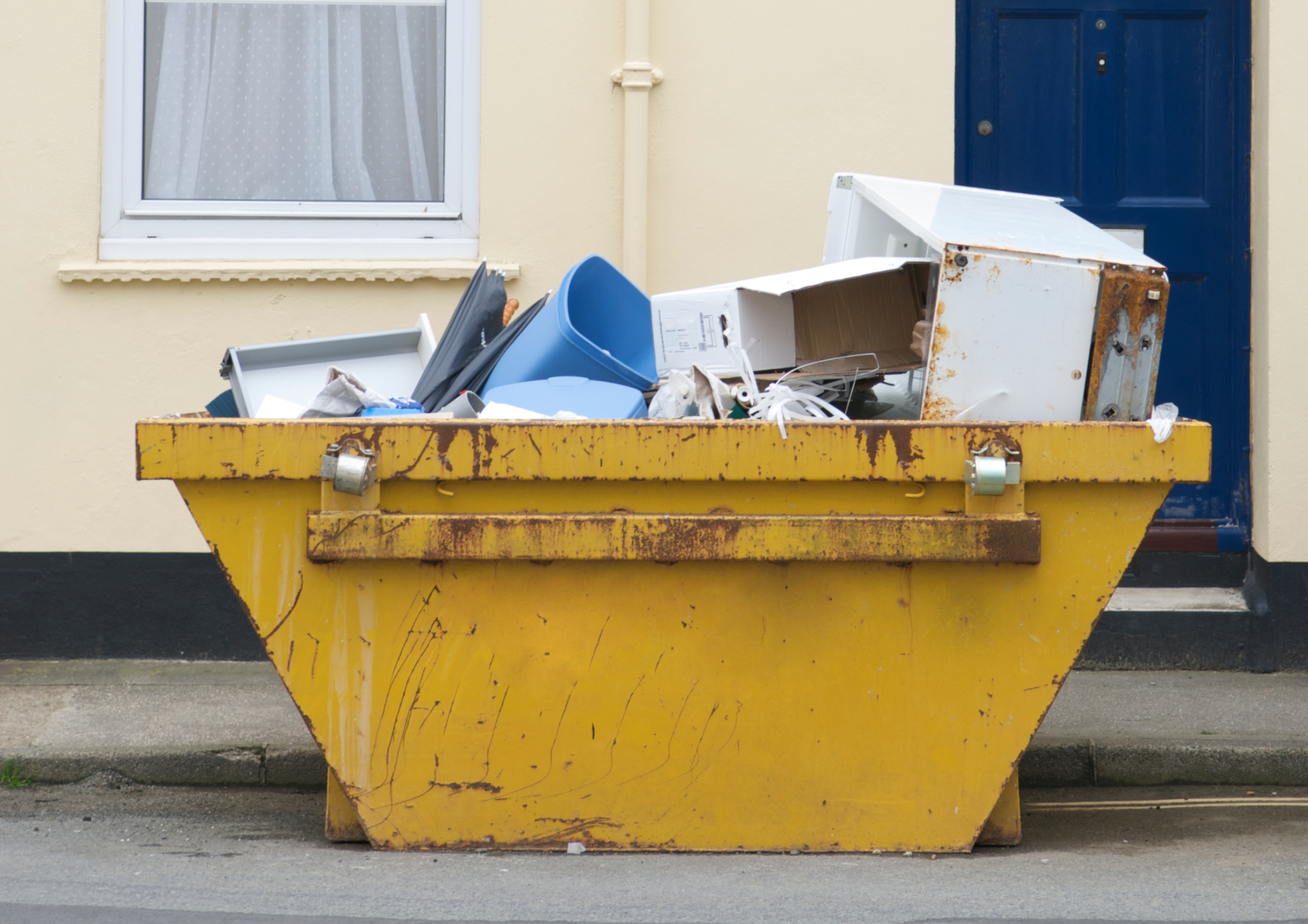
Items such as televisions, washing machines, computer monitors, kettles, fridges, and microwaves should never be thrown into a skip. These products typically contain materials like lead, mercury, or flame retardants, and need to go through a special recycling process that separates their parts for safe handling.
Disposing of WEEE items in a skip can result in fines, and the skip provider may refuse to collect the skip if these items are present. Instead, you can take electrical appliances to your local recycling centre, or contact your council to arrange a collection service. Many retailers also offer take-back schemes when you buy a replacement item, particularly for large appliances like fridges and ovens.
If you’re working on a property renovation or office clearance and expect to produce a significant amount of WEEE waste, speak to your rubbish bin hire company in advance. They may be able to offer a dedicated collection or recommend a licensed third party who specialises in electronic waste.
Tyres, Gas Cylinders, and Medical Waste
There are several other items that, while seemingly ordinary, are not permitted in skips due to the specific way they must be treated during disposal. Tyres are a common example. Despite being widespread in domestic and commercial settings, they cannot go into a skip as they require separate recycling procedures. The rubber and steel components must be processed carefully, and most tyre shops will accept old tyres for a small fee.
Gas cylinders, whether empty or partially full, are also banned from skip disposal. Even when empty, these cylinders remain pressurised and present a real danger of explosion or fire. Most suppliers offer a return service or exchange system for used gas bottles. Attempting to dispose of them in a skip could not only endanger workers but also lead to serious regulatory consequences.
Medical or clinical waste, including used bandages, syringes, medicines, and anything that may have been in contact with bodily fluids, must also be kept out of skips. These items are considered biohazards and are subject to stringent disposal requirements. They pose a health risk to anyone handling the skip and can lead to contamination if not managed properly. Businesses and events producing this type of waste must use certified medical waste disposal services to ensure compliance with regulations.
If you’re hiring a green waste skip for a large garden clearance or community event, remember that any unexpected waste such as gas bottles from catering equipment or sharps from medical stations must be managed separately. Always inform your waste provider about the nature of your event or project to get proper disposal advice.
Items You Might Think Are Fine – But Aren’t
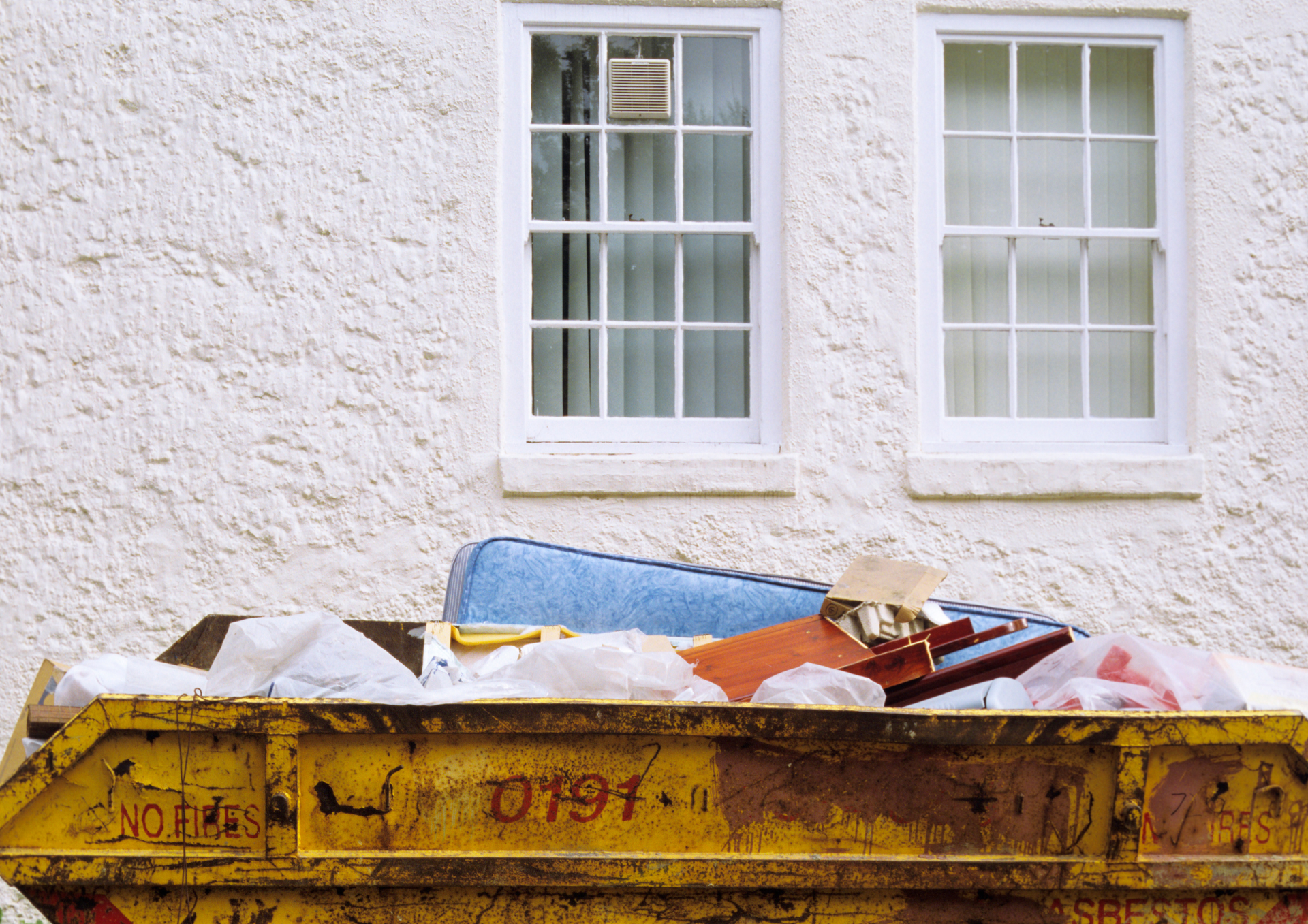
Some items are often assumed to be acceptable in a skip but are actually restricted, usually due to landfill rules, fire risks, or their impact on recycling processes. Mattresses are a common example. These bulky items contain springs, foams, and fabrics that are not easily broken down. Many skip hire companies in Wakefield won’t accept them without prior notice, and those that do often charge an additional fee for proper disposal.
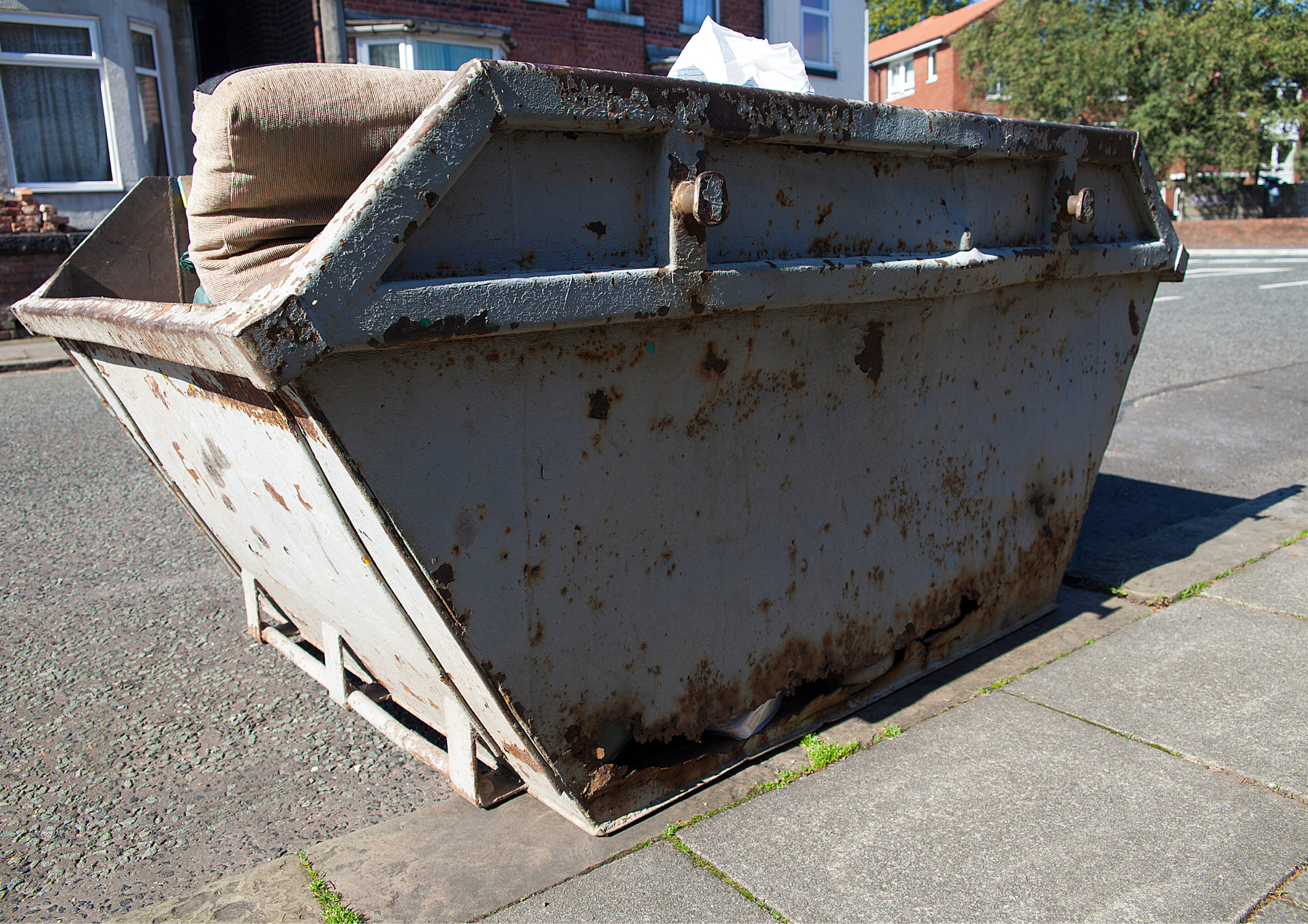
Similarly, upholstered furniture like sofas and armchairs can present disposal challenges. New regulations concerning fire-retardant chemicals used in manufacturing have resulted in tighter controls on how these materials are handled at recycling and landfill sites. Always check whether these items are allowed before placing them in your skip.
Another item to watch out for is plasterboard. Often found in renovation and construction waste, plasterboard may seem harmless. However, when it mixes with biodegradable materials in a skip, it can produce toxic gases during decomposition. Because of this, plasterboard must be disposed of separately. Some skip providers offer designated plasterboard-only skips or recommend local drop-off facilities.
If you’re searching online for skip bins near me and planning a large project, always read the provider’s list of restricted items. Not every skip company follows the same rules, but most are governed by UK environmental regulations. Knowing these in advance can save time, prevent delays, and avoid extra charges.
Hiring a
rubbish skip can make waste management faster and more efficient, but it comes with responsibilities. While it may be tempting to dispose of everything in one place, understanding what you can’t put in a skip is crucial. Hazardous materials, electrical appliances, tyres, gas bottles, and clinical waste all pose environmental and safety risks and must be handled through proper channels.
Other seemingly harmless items, like mattresses, upholstered furniture, and plasterboard, are also regulated due to specific recycling or landfill restrictions. Ignoring these rules can result in delays, fines, or rejected collections, which only adds to the stress of your project.
To avoid issues, always communicate with your skip provider, review their restricted items list, and ask questions before loading the skip. Responsible waste disposal not only keeps your project running smoothly but also contributes to protecting the environment and keeping Wakefield safe and clean.
Skip Hire Wakefield is a trusted name in waste disposal for good reason. We offer expert advice to help you understand what can and can’t go into your skip, making the process easy and stress-free. Whether you’re working on a major home renovation, managing a commercial build, or planning a community event, our team is here to support you with professional, reliable service.
We offer a wide range of sizes, making it easy to choose the right solution for your project, whether large or small. Our pricing is straightforward and transparent, with no hidden charges or unexpected costs. As a local provider based in Wakefield, we’re familiar with area-specific waste regulations and can offer expert guidance to ensure your rubbish skip remains fully compliant, helping you avoid delays and potential fines.
Just out on X:
Rubbish skip guide – items you can’t put in and mistakes to avoid!
You might also like