
Understanding Short-Term vs Long-Term Waste Management Options
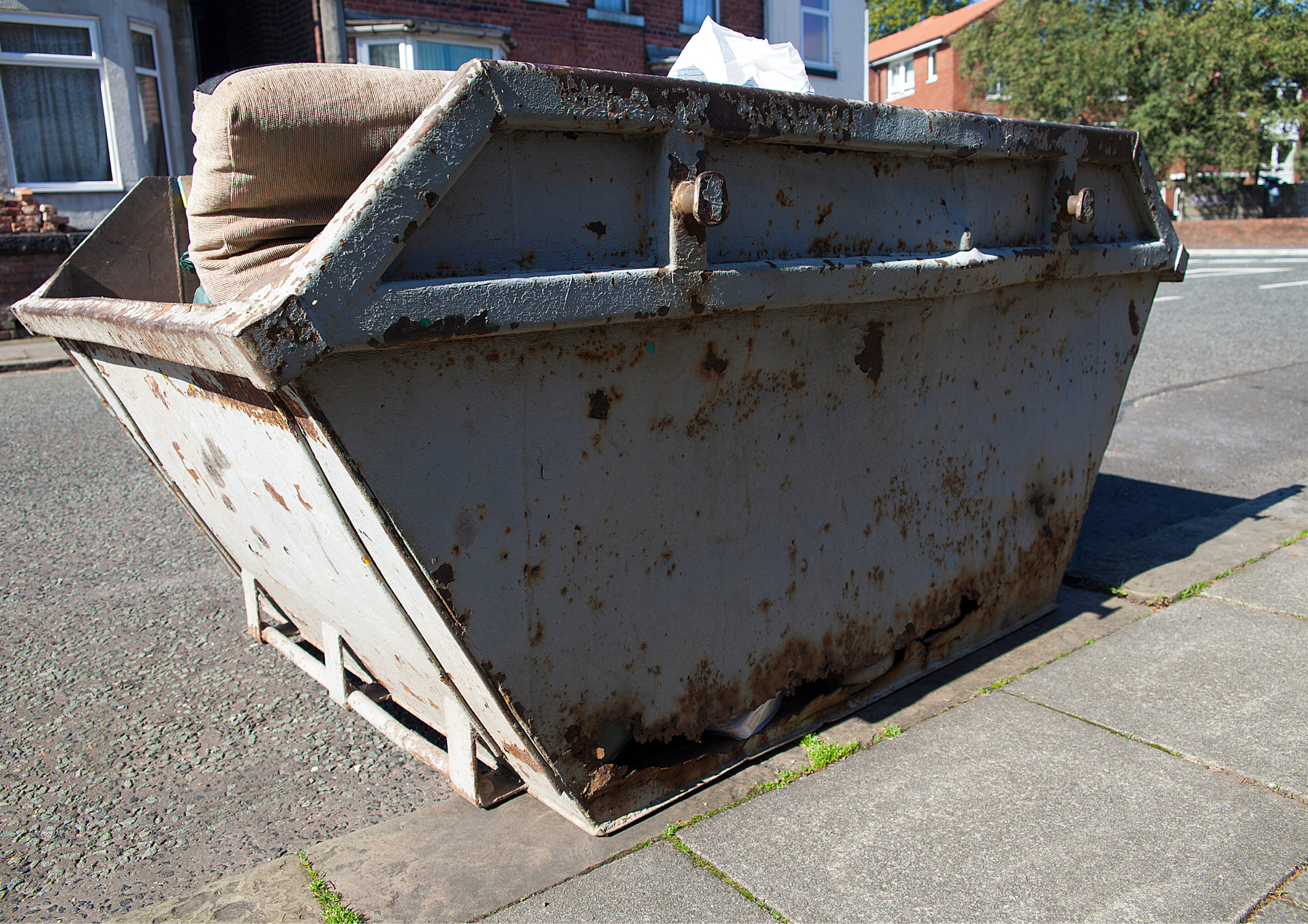
Choosing the right waste solution depends largely on how long a project will run and how much material it is expected to generate. Skips are commonly used across renovations, construction work, clear-outs, and commercial projects because they offer a structured way to manage waste safely and efficiently. However, the needs of a short, focused job differ greatly from those of an extended project, making it important to understand how hire duration affects planning, cost, and site organisation.
Short-Term Use for Focused Projects
Short-term arrangements are typically suited to projects with a clear start and end point. These may include home renovations, garden clearances, or small commercial refits where waste is generated quickly and removed promptly. The aim is to clear material efficiently without leaving containers on site longer than necessary.
For customers assessing skip prices, short-term use allows waste removal to be planned around specific milestones. This reduces disruption, keeps sites tidy, and helps ensure waste is transferred to licensed facilities without unnecessary delays. Clear scheduling is particularly valuable in residential areas or shared access locations where space is limited.
Long-Term Use for Ongoing Work
Long-term arrangements are more suitable for projects that produce waste gradually, such as construction builds, phased refurbishments, or large landscaping contracts. These projects benefit from having a consistent waste solution on site to manage materials safely over time.
Businesses comparing cheap skips should consider suitability alongside cost. Longer hire periods require reliable servicing, compliant handling, and clear communication to ensure waste does not accumulate beyond safe levels. A well-managed long-term solution supports productivity while maintaining safety and environmental standards.
Flexible Alternatives and Space Considerations
Not all projects have the space or access required for traditional containers. In restricted locations or for smaller volumes of waste, alternatives may be more appropriate. A skip bag can provide a compact and flexible option, particularly for household projects or short-term clear-outs.
These options allow waste to be stored securely until collection without occupying significant space. They are often chosen where access is limited or where only a modest amount of waste is expected, helping maintain order without overcommitting to larger solutions.
Matching Hire Duration to Project Planning
Understanding when to rent a skip is key to aligning waste removal with project timelines. Short-term use supports fast-moving tasks, while long-term hire suits ongoing work with changing waste volumes. Matching duration to project needs helps reduce interruptions and ensures waste handling remains compliant throughout.
Good planning also supports environmental responsibility. When waste is managed consistently and collected at appropriate intervals, materials are more likely to be processed correctly, supporting recycling and reuse wherever possible.
Choosing between short-term and long-term arrangements depends on project scale, duration, and waste output. With careful planning,
skips can support both quick clear-outs and extended projects by keeping sites organised and waste handled responsibly. Understanding these differences helps ensure waste management contributes positively to efficiency, safety, and sustainability.
Skip Hire Wakefield is designed to make waste management clear, reliable, and straightforward. Our platform connects customers with trusted providers who prioritise compliance, recycling, and clear communication, ensuring
skips are supplied and managed efficiently. Whether you are managing a short-term project or overseeing ongoing work, we help you access dependable solutions that support efficient planning and responsible waste handling without unnecessary complexity.
Latest post on X: Short-term and long-term waste management – how
skips fit in!
You might also like