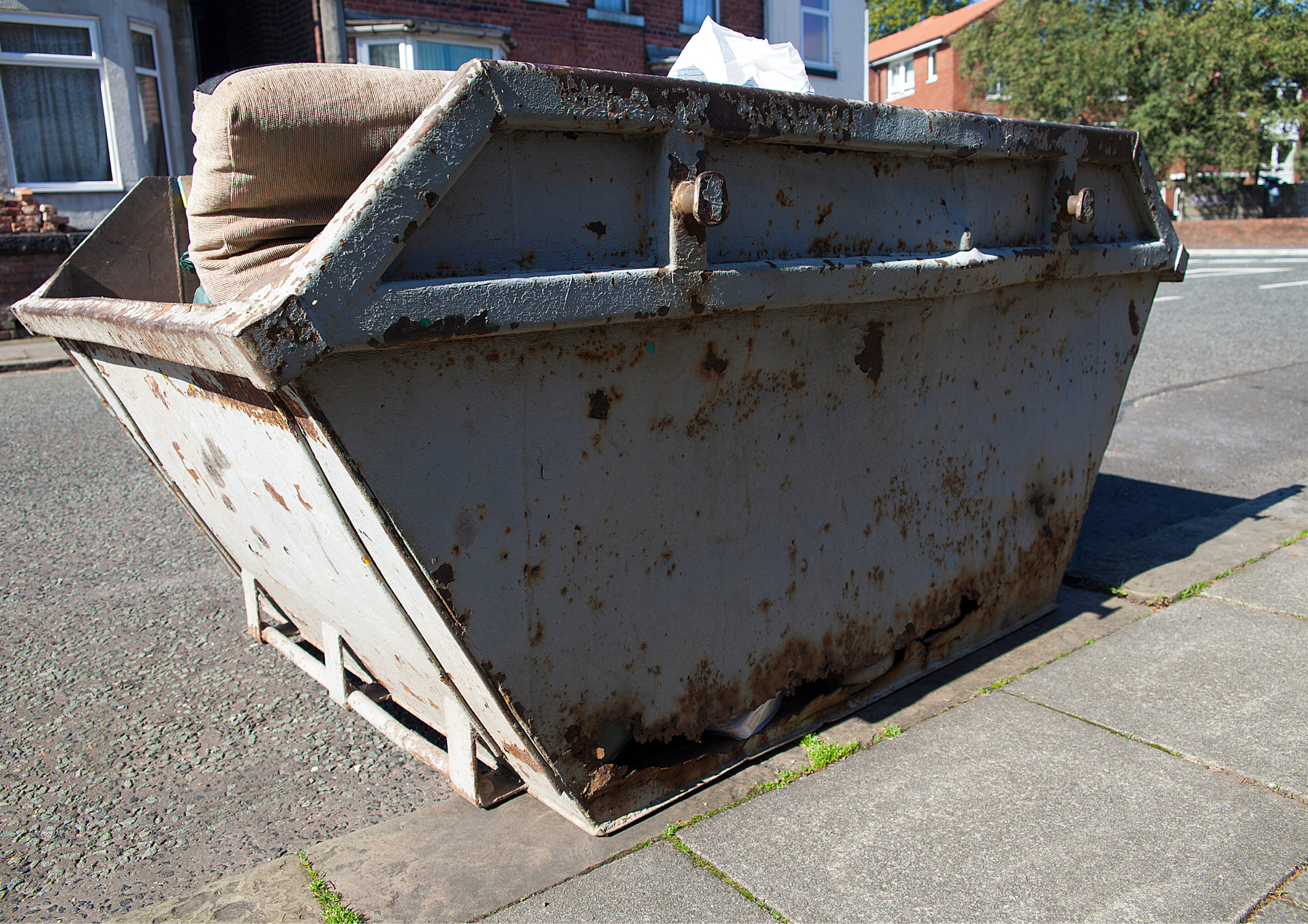

Skip Hire Advice: Key Dos and Don’ts to Avoid Costly Mistakes
Hiring a skip is one of the simplest and most effective ways to handle waste from home renovations, commercial clearances, landscaping jobs, or large events. However, many people unknowingly make basic errors during the skip hire process that can lead to extra costs, legal issues, or delays.
Let’s look at the key areas that often trip people up when arranging skip hire, and how to handle each one correctly.
Choosing the Wrong Skip Size
One of the most common mistakes is underestimating how much waste your project will generate. Choosing the wrong skip size can lead to overfilling, which not only breaches hire terms but could also result in extra charges or safety risks. On the other hand, selecting a skip that’s too large can mean you’re paying more than necessary for space you won’t use.
For smaller household jobs or garden clearances, a 4 yard skip is usually sufficient and offers a compact solution where space is limited. Mid-sized renovation projects or bathroom refits often call for a 6 yard, which is a popular choice for both domestic and trade customers.
Larger tasks, such as full house clearances or bulky waste from commercial refurbishments, typically require an 8 yard skip—also known as a builder's skip.
For projects generating substantial waste over a prolonged period, such as construction sites or office fit-outs, a 12 yard skip may be the best fit, offering ample capacity while reducing the need for frequent exchanges.
When planning skip hire, always consult with the provider if you're unsure. They can recommend the most appropriate size based on the type and volume of waste expected, helping you avoid the headache of last-minute changes.
Placing the Skip Incorrectly
Where you place your skip can significantly affect the convenience and legality of your hire. Skips placed entirely on private property—like a driveway or construction site—are straightforward. However, placing a skip on a public road or pavement requires a permit from the local council.
Failing to get a permit in advance is a common mistake and can lead to fines or the skip being removed. Permit rules vary by council, but in Wakefield, your provider should be able to apply for the permit on your behalf, often at an additional charge.
Even with a permit, skip placement must follow specific guidelines. The skip must not block access for emergency vehicles, obstruct public footpaths, or be placed too close to junctions or driveways. Ensuring correct placement avoids potential disputes with neighbours, pedestrians, or local authorities.
Putting Prohibited Items in the Skip
A common mistake during skip is assuming you can throw anything in. However, certain materials are strictly prohibited due to safety, environmental, and legal regulations. Here's what to avoid and why:
- Don’t dispose of restricted items without checking first.
Doing so can lead to refusal of collection, extra charges, or legal consequences due to improper waste handling. - Commonly prohibited items include:
- Electrical appliances (e.g. TVs, monitors)
- Fridges and freezers
- Tyres
- Car batteries
- Asbestos
- Plasterboard (in mixed waste)
- Paint, solvents, and chemicals
- Fuel, oils, and other flammable substances
- Medical or biological waste
- Plasterboard must be separated.
Even though it seems harmless, plasterboard cannot be mixed with general waste as it releases harmful gases when decomposing. Many providers reject skips containing it. - Ask for a list of accepted materials before loading.
Reliableskip hirecompanies will provide clear guidance on what you can and can’t dispose of. - Need to get rid of hazardous waste?
Contact your provider. They may offer a separate disposal service or point you to a licensed specialist.
Overfilling the Skip or Incorrect Loading
Overfilling a skip is a frequent and costly mistake. Every skip has a clearly marked fill line that indicates the maximum load level. Loading waste above this line is not only unsafe but also illegal, as it poses a hazard during transport.
Skips loaded beyond capacity may be refused collection or require offloading before being taken away, resulting in delays and additional fees. Likewise, poor loading—such as uneven weight distribution or large items sticking out—can also cause collection problems.
Efficient loading is essential. Placing flat items like boards or doors at the bottom and heavier waste such as rubble or bricks in the middle helps maximise space and keeps the load stable. Bulky, lightweight items should go on top. Breaking down materials where possible allows you to make the most of the space you’ve paid for.
Hiring a skip may seem straightforward, but simple mistakes can lead to increased costs, legal trouble, or unnecessary hassle. By selecting the correct
skip size, placing it legally and safely, avoiding prohibited items, and loading it properly, you can ensure your
skip experience is smooth, efficient, and fully compliant with regulations.
From small household clearances to large-scale construction jobs, knowing what to do—and what to avoid—makes a real difference. When in doubt, always check with your local provider to make sure you're following the right steps for your specific project.
At
Skip Hire Wakefield, we’ve built our reputation on reliability, transparency, and expert advice. Our team understands the challenges that come with managing waste, whether it’s from a domestic renovation, a construction project, or a commercial relocation.
What sets us apart is our local knowledge, prompt service, and straightforward pricing. We take pride in helping customers across Wakefield and surrounding areas manage waste responsibly and affordably.
Don’t miss it on X:
Skip hire dos and don’ts – avoid common and costly errors!
You might also like