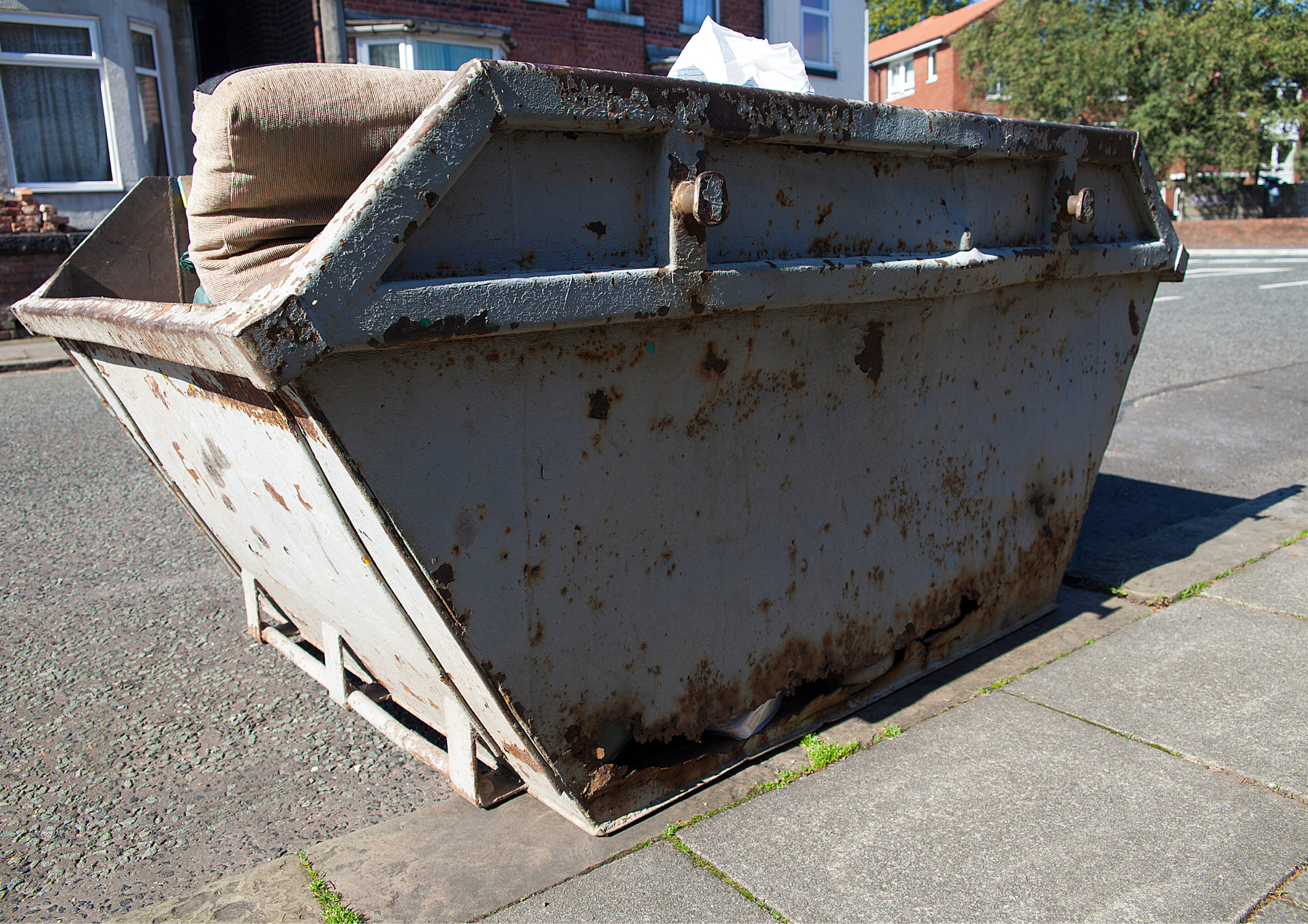

Practical Skip Hire Solutions for Roofing and Demolition Waste
Roofing and demolition projects can generate large amounts of waste within a short period of time, including broken tiles, timber, plasterboard, bricks, and general construction debris. Effective skip hire solutions help maintain safer and more organised working environments for both residential and commercial projects.
Property owners, landlords, surveyors, and local authorities often require dependable waste management support that helps refurbishment and structural work continue with minimal disruption.
Understanding Waste Requirements During Roofing and Demolition Work
Roofing and demolition work can produce a wide range of waste materials that require careful organisation and responsible handling throughout a project. Roofing jobs may generate damaged tiles, felt, timber, insulation, and guttering, while demolition work often creates rubble, bricks, concrete, plaster, wood, and mixed construction debris.
Professional skip hire services can help manage different waste volumes efficiently depending on the size of the property and the scale of the work being carried out. Maintaining organised waste containment helps reduce clutter, improve safety around working areas, and minimise disruption for residents, tradespeople, and visitors.
In busy parts of Wakefield, careful planning is particularly important where access restrictions, surrounding properties, and pedestrian areas may affect waste collection arrangements. Proper waste management can help projects continue more efficiently while keeping sites cleaner and easier to manage throughout the work.
Choosing Suitable Skip Sizes for Different Projects
Selecting the correct container size can make a significant difference when managing roofing or demolition waste efficiently. The size required will usually depend on the scale of the project, the type of materials being removed, and the available space on site.
Smaller domestic projects involving limited quantities of rubble, timber, or roofing materials may benefit from a compact solution such as a 2 yard skip, which is often suitable for minor repair work, garden wall removals, or small property clearances where access space is limited.
For medium-sized renovation projects, loft clearances, or roofing repairs involving heavier materials, a 4 yard skip can provide additional capacity while still remaining practical for residential driveways and tighter locations commonly found around Wakefield properties.
Larger refurbishment work and moderate demolition activities may require a 6 yard skip, particularly when dealing with mixed construction waste, broken concrete, timber, plasterboard, and general building materials generated over several days of ongoing work.
For substantial roofing replacements, structural strip-outs, or larger commercial demolition tasks, an 8 yard skip is often used to manage greater volumes of bulky waste while helping sites remain organised throughout more extensive construction activity.
Careful assessment of waste volumes before work begins helps reduce the risk of overfilling while supporting smoother waste collection and disposal arrangements. This can also help contractors maintain productivity without unnecessary delays caused by insufficient waste capacity.
Maintaining Safe and Organised Project Environments
Roofing and demolition projects can create unsafe working environments if waste is not managed properly. Loose rubble, broken timber, and discarded materials may obstruct access areas or create hazards around residential and commercial properties. Organised waste disposal helps keep sites cleaner, safer, and easier to manage throughout the project.
Proper waste containment can also reduce disruption for occupants, contractors, and neighbouring properties across Wakefield. Careful planning helps maintain better organisation, supports safer working conditions, and allows construction work to continue more efficiently.
Supporting Responsible Waste Management Across Wakefield
Construction and demolition projects can generate large volumes of waste that require careful handling and organised disposal throughout the project. Effective waste management helps maintain cleaner working environments while supporting the responsible handling of materials such as timber, concrete, metal, and rubble.
For homeowners, landlords, developers, and commercial property managers, arranging skip hire in advance can help projects run more smoothly and reduce unnecessary disruption. Reliable waste collections and practical planning contribute to safer, more organised environments during refurbishment, roofing, and demolition work.
At
Skip Hire Wakefield, we focus on providing clear information, practical guidance, and dependable support for property owners and contractors managing roofing, refurbishment, and demolition waste. Our website is designed to help users better understand waste management options while making it easier to choose suitable solutions for projects of varying sizes.
New Update on X:
Skip hire solutions for safe demolition and roofing clearances.
You might also like