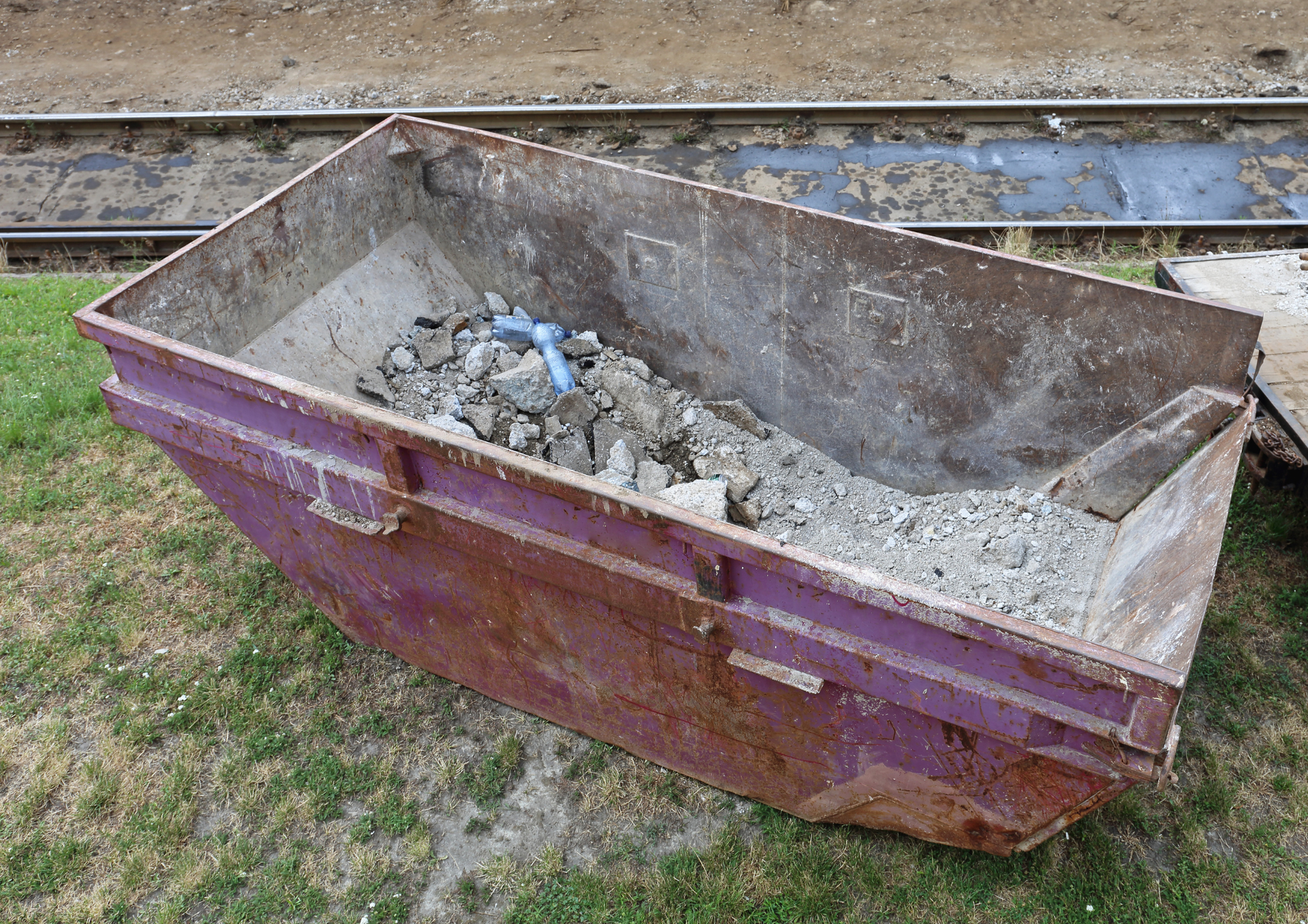

What Homeowners Need to Know Before Booking Cheap Skip Hire Services
Clearing a home, renovating a property or completing garden work can generate considerably more waste than expected. Having somewhere suitable to place unwanted materials helps keep working areas organised and reduces the need to move rubbish repeatedly while a project is underway. For homeowners trying to control expenditure, cheap skip hire can provide a practical solution when the service is selected according to the actual requirements of the job.
Price is naturally important, but it should not be the only consideration. Container capacity, waste type, delivery access, hire duration and collection arrangements can all influence whether a particular option represents good value. A low initial quotation may be less useful if the container is too small for the project or if the arrangements do not suit the intended schedule.
These considerations are relevant beyond ordinary household projects. Landlords may need waste removal when preparing accommodation between occupants, surveyors can be involved in refurbishment work, and local authorities may coordinate maintenance across different properties. Commercial premises also require practical disposal arrangements during clearances and improvements.
Properties in Wakefield range from traditional housing to newer developments and commercial premises, each presenting different access and waste requirements. The same principles apply throughout the UK: understanding the project before booking makes it easier to choose appropriate capacity and organise delivery effectively.
Comparing Low-Cost Options Without Focusing Only on Price
Customers searching for the cheapest skip hire near me may naturally begin by comparing advertised figures, but a useful comparison should also consider what each service includes. Looking at capacity, duration, delivery arrangements and collection conditions provides a clearer picture of overall value.
Check What Is Included
- Establish what the quoted amount covers before confirming a booking.
- Ask about the standard hire period so that it can be compared with the expected duration of the project.
- Understand how the collection is arranged once the work has finished.
- Check whether particular circumstances could result in additional charges.
Compare Similar Capacities
- Make sure quotations are being compared for containers of equivalent or similar capacity.
- Avoid assuming that every provider describes sizes in exactly the same way.
- Estimate the amount of waste realistically before deciding that the smallest option will be sufficient.
- Consider bulky materials as well as the general quantity of rubbish.
Think About Delivery
- Check that the proposed delivery location can be accessed by the appropriate vehicle.
- Keep driveways, entrances and other positioning areas clear where possible.
- Consider whether placement could interfere with vehicles, pedestrians or ongoing work.
- Discuss restricted access before delivery rather than waiting until the vehicle arrives.
Consider the Complete Project
- Include waste expected from every stage of the work when estimating requirements.
- Remember that renovations can produce additional material once fittings and fixtures are removed.
- Consider whether garden or external areas will also be cleared.
- For commercial projects, include waste from storage areas and back-of-house spaces where relevant.
A considered comparison helps customers distinguish between a genuinely economical arrangement and one that simply appears inexpensive at first. Knowing what the project requires provides a much stronger basis for making that decision.
Choosing Suitable Capacity for the Work Being Undertaken
Selecting an appropriate container is one of the most important parts of arranging budget skip hire. Capacity that closely matches the expected volume can help customers control expenditure without creating unnecessary inconvenience once work begins.
Small household projects can produce surprisingly different quantities of waste. Clearing a spare room may involve only boxes, unwanted belongings and smaller furniture, whereas emptying a garage or loft can reveal years of accumulated materials. Looking through the entire area beforehand makes it easier to judge the likely quantity.
Garden projects have their own requirements. Pruning shrubs, removing fencing or clearing an overgrown area can create bulky materials that occupy capacity quickly. Even where the overall weight is relatively modest, branches and awkwardly shaped items can use more space than expected.
Home renovation projects often require greater consideration because waste can be generated across several stages. Removing old kitchen units, flooring, bathroom fittings or internal fixtures can create substantial quantities before the new work even begins. Customers should therefore estimate the entire project rather than basing their decision solely on what is visible at the start.
Landlords preparing properties between occupants may encounter a mixture of unwanted belongings and maintenance debris. If decorating, repairs or refurbishment will follow the initial clearance, allowing for the materials generated by those activities can make the arrangement more practical.
Commercial properties can require larger capacity depending on the scale of the clearance. Offices may contain furniture, shelving and packaging, while retail premises can produce old displays and interior fittings during refurbishment. Where the building remains operational, positioning and timing may be just as important as capacity.
Customers should also avoid automatically choosing the largest available option. Excess capacity can mean paying for space that remains unused, particularly for smaller projects. A realistic assessment provides a better balance between having sufficient room and avoiding unnecessary expenditure.
Professional guidance can be useful when the volume is difficult to estimate. Describing the property, project and materials expected can help establish which option is likely to provide suitable capacity.
Preparing for Delivery and Using the Available Space Efficiently
Good preparation can help customers get better value from affordable skip hire by making delivery straightforward and using the available capacity effectively. A few practical checks before arrival can prevent avoidable difficulties once the project is underway.
Prepare the Position
- Identify where the container will be placed before delivery day.
- Keep the proposed area clear of parked vehicles, stored materials and other obstacles.
- Consider whether gates, walls or narrow entrances could restrict access.
- Make sure the chosen position allows waste to be carried from the property without unnecessary difficulty.
Organise Materials Before Loading
- Separate items that are staying at the property from those intended for disposal.
- Check which materials are suitable before placing them inside.
- Keep reusable items elsewhere so they are not discarded accidentally.
- Avoid creating large temporary piles in hallways or entrances.
Use Capacity Carefully
- Position suitable bulky items thoughtfully so that they do not create unnecessary empty spaces.
- Dismantle appropriate furniture or fittings where practical before loading.
- Place smaller materials around larger items where this can be done safely.
- Keep within the permitted loading level rather than allowing waste to project excessively above the container.
Plan Around the Project Schedule
- Arrange delivery close to the point when substantial waste generation is expected to begin.
- Consider how long the clearance or renovation is realistically likely to take.
- Avoid booking significantly earlier than necessary where the equipment would simply occupy space.
- Think about collection before the final stage so removal can fit naturally into the project schedule.
These steps are useful for domestic and commercial properties alike. A prepared site can make delivery easier, while organised loading helps customers make effective use of the capacity they have selected.
Recognising the Difference Between Low Price and Good Value
Finding cheap skip hire prices can be helpful when working within a defined project budget, but value depends on whether the service actually meets the requirements of the job. Reliability, communication and suitable arrangements should therefore be considered alongside the amount quoted.
Delivery timing can be particularly important. Homeowners may arrange building work around weekends or periods away from work, while contractors can depend on waste facilities being available before demolition or refurbishment begins. An inconvenient delay can leave materials accumulating in areas that need to remain accessible.
Collection arrangements deserve similar attention. Once a clearance is complete, customers generally want the equipment removed at an appropriate time so the driveway, worksite or commercial area can return to normal use. Understanding how collection is requested before booking can help avoid uncertainty later.
Clear information about acceptable materials is another sign of a well-organised service. Different waste streams can have different handling requirements, so customers should check what can be placed inside before loading begins. Asking beforehand is considerably easier than discovering an issue after the container has been filled.
Communication also contributes to value. Customers should be able to explain the type of project, ask questions about capacity and discuss access where necessary. Straightforward guidance can help prevent unsuitable choices and make the overall process easier to manage.
For homeowners, dependable arrangements can reduce disruption around the property. Landlords may value predictable timing when coordinating decorators or maintenance contractors, while surveyors and local authorities may need disposal to fit within broader schedules.
Commercial properties can be particularly sensitive to disruption. A container positioned incorrectly or left longer than expected could affect parking, deliveries or customer access. Planning placement and timing with these practical requirements in mind helps waste removal support the project rather than interfere with it.
Good value therefore comes from balancing cost with suitability. A service that provides the right capacity, fits the project timetable and offers clear arrangements can be more useful than choosing solely according to the lowest advertised amount.
Booking a waste container should begin with understanding the project rather than immediately choosing the lowest quotation. The amount and type of material, available positioning space, expected duration and property access all contribute to determining which arrangement is most suitable.
For homeowners, cheap skip hire can be a useful way to manage expenditure while keeping household clearances, garden work and renovations organised. The important consideration is whether the selected option provides sufficient capacity and practical delivery and collection arrangements for the work being undertaken.
Landlords, surveyors and local authorities can apply the same approach when coordinating property maintenance or clearances. Residential and commercial buildings may differ considerably, but careful assessment before booking helps reduce uncertainty in either situation.
Customers should estimate the complete quantity of waste rather than focusing only on the first stage of a project. They should also prepare the delivery area, understand what can be loaded and consider how collection will fit with completion of the work.
An economical service should ultimately support the project rather than create additional complications. Comparing complete arrangements, selecting realistic capacity and planning ahead can help customers achieve better value while maintaining an organised approach to waste removal.
Skip Hire Wakefield provides practical waste removal support for homeowners, landlords, surveyors, local authorities and those responsible for residential and commercial properties. This is particularly useful when customers are uncertain about capacity or are managing a clearance for the first time.
Our approach starts with understanding what needs to be removed. The expected volume, type of project, available positioning space and anticipated duration can all help determine a practical option. We understand that customers looking for cheap skip hire still expect dependable arrangements, straightforward communication and a solution appropriate for the scale of their project.
We aim to make the process straightforward from initial planning through to collection. Whether the work involves household decluttering, a garden project, renovation, landlord clearance or commercial refurbishment, careful preparation helps waste management fit more naturally around the wider job.
By combining local understanding with practical guidance, we help customers organise waste removal without making the process unnecessarily complicated. The objective is to provide a dependable service that supports an efficient project while helping customers make informed choices about the capacity and arrangements they require.
Check out our latest X update on what homeowners need to know before booking
cheap skip hire services!
You might also like