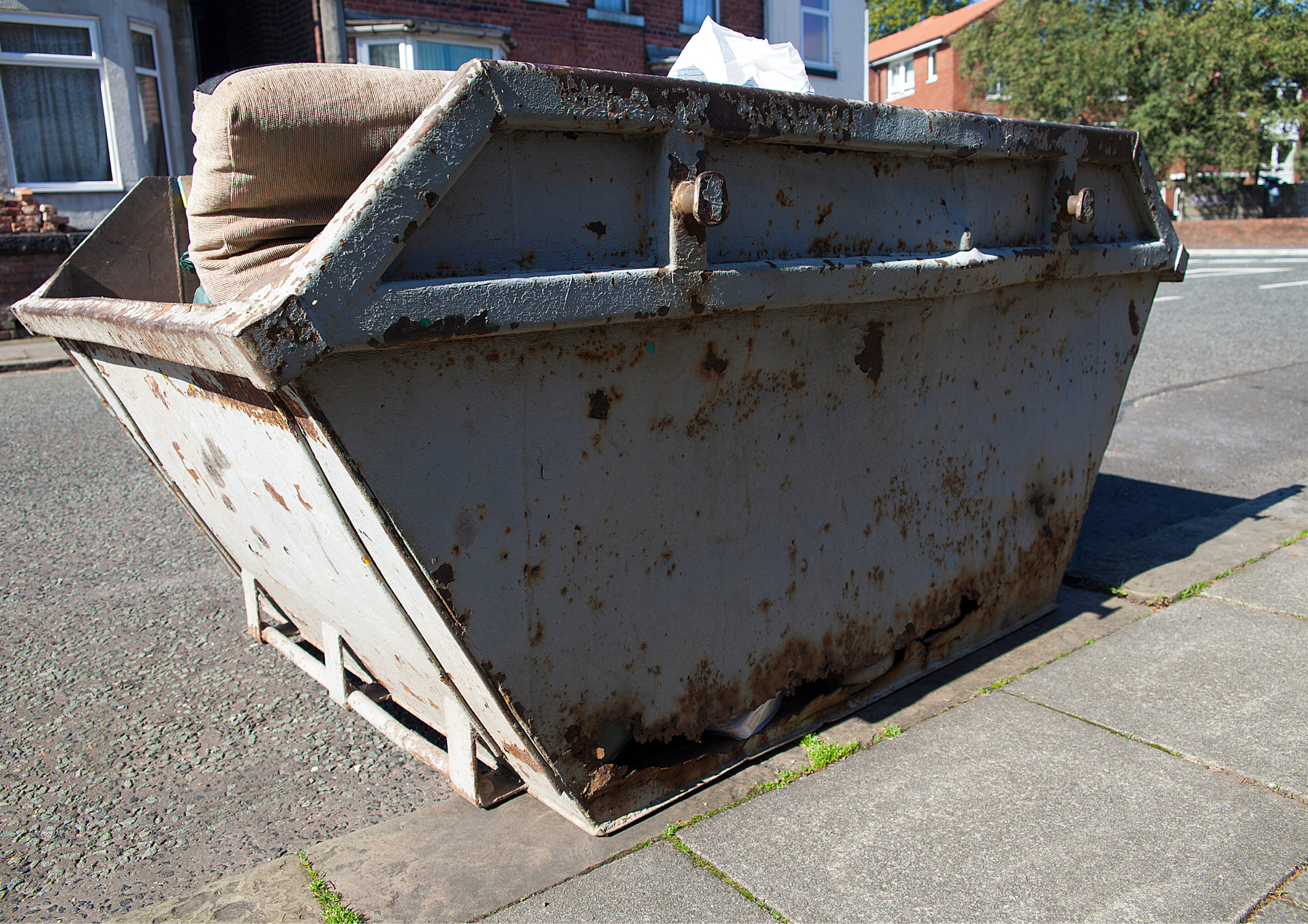

How to Avoid Common Mistakes When Booking Skip Hire for Your Home
Planning a household clearance, renovation or garden project often involves dealing with considerably more waste than expected. Arranging skip hire can provide a convenient way to keep unwanted materials contained and maintain an organised property while work is underway. However, making the wrong decisions when booking can result in insufficient capacity, unsuitable placement, delays or additional arrangements that could have been avoided with some preparation.
Homeowners are not the only people who need to think carefully about waste removal. Landlords clearing properties between tenancies, surveyors involved with refurbishment projects, local authorities overseeing maintenance work and businesses improving commercial premises can all benefit from planning before arranging skip hire. The amount and type of material, available space and expected project duration should all be considered to ensure waste is managed efficiently throughout the work.
Knowing the most frequent booking mistakes before making an enquiry can help you choose a suitable service, avoid unnecessary complications and keep your project progressing smoothly.
Choosing the Correct Size Before Your Project Begins
Selecting a suitable size is one of the most important parts of arranging waste removal. Underestimating the amount of rubbish can leave you needing additional capacity, while choosing something unnecessarily large may mean paying for space you never use. A little preparation before booking can make the decision considerably easier.
Consider the Scale of the Project
- A small household decluttering project will usually produce much less waste than a complete kitchen renovation or property clearance.
- Think about every stage of the work rather than only the rubbish that is already visible.
- Include materials that will be removed later, such as old cupboards, flooring, fixtures, packaging or garden debris.
- For longer projects, consider whether waste will be produced gradually or concentrated within a short period.
Think About the Type of Waste
- Household rubbish, garden materials and renovation debris can take up space differently, even when their actual weight is similar.
- Bulky items can fill available capacity surprisingly quickly because they may leave unused gaps.
- Heavy building materials require particular consideration, as weight restrictions can influence which size is appropriate.
- Certain materials may require separate handling, so it is sensible to explain what you intend to dispose of when making your enquiry.
Avoid Estimating by Appearance Alone
- A pile of dismantled furniture or renovation waste may occupy substantially more room once it is placed inside a container.
- Breaking suitable items down beforehand can provide a more realistic idea of the capacity required.
- Avoid assuming that everything can simply be compressed once loading begins.
- If you are uncertain, describe the project to the provider rather than selecting a size based entirely on guesswork.
Ask for Practical Guidance
- An experienced provider can use details about your project to suggest an appropriate capacity.
- Explain whether you are completing a house clearance, garden project, refurbishment or commercial job.
- Mention unusually bulky or heavy materials when discussing your requirements.
- Asking questions before arranging skip bin hire can reduce the possibility of selecting an unsuitable option and needing to change your plans later.
Taking a few minutes to assess the project before booking can make a significant difference. The aim should be to choose enough capacity for the expected waste without automatically selecting the largest option available.
Planning Placement, Access and Collection Before Delivery
Another common mistake is arranging delivery before deciding exactly where the container will be positioned. A suitable placement area needs to be accessible to the delivery vehicle while also allowing people to load waste conveniently throughout the project. Thinking about access only when the driver arrives can lead to unnecessary complications.
Private driveways and suitable areas within a property boundary can often provide convenient placement, but available space should be checked beforehand. Consider the width and length of the area, overhead obstacles, parked vehicles, gates and anything else that could restrict access. Delivery vehicles require enough room to approach and manoeuvre, so the physical footprint of the container is only one part of the calculation.
Ground conditions also matter. The chosen surface should be appropriate for the equipment being delivered and should allow the area to remain practical throughout the hire period. Customers should consider whether placement could block garages, entrances or frequently used access points. What appears convenient on delivery day may become frustrating if it prevents normal use of part of the property for several weeks.
Where private space is unavailable and placement on a public highway is being considered, additional requirements may apply. Customers should establish what permissions or arrangements are necessary before the planned delivery date rather than assuming these can be resolved immediately. Requirements can differ depending on the location and circumstances.
Timing is equally important. Consider when the waste-producing work will actually start. Having a container delivered too early can occupy valuable space unnecessarily, while arranging it too late can leave rubbish accumulating around the site. Coordinating delivery with builders, decorators, gardeners or clearance teams can help create a more efficient schedule.
People searching online for skip hire near me should therefore compare more than availability alone. Asking about delivery arrangements, collection procedures, expected access requirements and the information needed before booking can provide a clearer picture of the overall service.
Collection deserves the same level of planning. If you know approximately when the project will finish, discuss how collection is requested and whether advance notice is recommended. Avoid surrounding the container with materials, vehicles or equipment that could prevent safe access when it is ready to be removed.
Good placement and scheduling can make waste disposal feel like an integrated part of the project rather than an obstacle. Planning these details before delivery helps everyone involved understand what to expect.
Loading Waste Correctly and Avoiding Preventable Problems
Once delivery has taken place, the way waste is loaded can influence how effectively the available capacity is used. Randomly throwing materials inside may create large gaps, fill the container prematurely or result in items extending beyond an appropriate loading level.
Start With Suitable Larger Items
- Place suitable flat or bulky materials carefully so available floor space is used efficiently.
- Where practical, dismantle furniture or fittings before loading rather than placing them inside whole.
- Avoid creating large empty spaces beneath awkwardly positioned objects.
- Think about how later waste will fit around materials already loaded.
Distribute Materials Sensibly
- Avoid concentrating particularly heavy materials unnecessarily in one area.
- Keep the load stable as work progresses rather than creating an uneven pile.
- Load carefully instead of throwing items from a distance.
- Make sure people working around the area have clear access while waste is being added.
Keep Within the Appropriate Loading Level
- Do not continue adding materials once the available capacity has been properly used.
- Waste extending excessively above the sides can create collection difficulties.
- Monitor the available space throughout the project rather than discovering at the end that too much waste remains.
- If the project is producing substantially more material than anticipated, contact the provider to discuss available options.
Check What Can Be Accepted
- Ask about restricted materials before work starts rather than assuming every unwanted item can be placed inside.
- Keep any materials requiring alternative disposal arrangements separate from general project waste.
- Make sure contractors, tenants or other people using the container understand the relevant requirements.
- Clear communication is especially important when several people are contributing waste to the same container.
Different skip bins can suit different types and scales of work, but effective loading is important regardless of the capacity selected. Using the available space carefully can make waste management more efficient and prevent avoidable problems when collection is due.
A well-organised loading approach is particularly useful for renovations and commercial projects where waste is produced over several days. Rather than treating the container as an unrestricted dumping area, it should be incorporated into the overall organisation of the site.
Comparing Services Rather Than Choosing on Price Alone
Cost naturally matters when arranging any household or commercial service, but selecting a provider based solely on the lowest advertised figure can be a mistake. The complete service should be considered, including availability, communication, suitable capacity, delivery arrangements and collection procedures.
Start by making sure quotations can be compared fairly. A low initial figure may not tell you everything you need to know about what is included. Ask clear questions about the hire period, delivery, collection and circumstances that could result in additional charges. Understanding the complete arrangement makes it easier to assess genuine value.
Customer support is also important. Waste removal is relatively straightforward when everything proceeds exactly as planned, but projects frequently change. A renovation may take longer than expected, a clearance might generate additional rubbish or access arrangements may need to be adjusted. Being able to contact the provider and receive clear guidance can be valuable in these situations.
Availability should also be considered realistically. The cheapest option may not represent good value if delivery cannot be arranged when your project requires it. Coordinating waste removal with tradespeople, property access and project schedules can sometimes be more important than making a small saving on the initial booking.
Local knowledge can be beneficial as well. Providers familiar with Wakefield and the surrounding area may be better positioned to discuss practical delivery considerations and general access requirements. This is particularly useful for customers managing properties they do not occupy themselves, including landlords, surveyors and organisations responsible for multiple sites.
When comparing skips near me, consider the overall reliability and clarity of the service rather than focusing on one number. A straightforward booking process, suitable equipment, dependable communication and properly organised collection can contribute considerably more to a successful project than simply obtaining the lowest quotation.
The same principle applies to residential and commercial work. Homeowners may prioritise convenient driveway delivery, while businesses could require waste arrangements that fit around operating hours or ongoing refurbishment. Local authorities and property professionals may have additional scheduling considerations. A suitable provider should be able to discuss these requirements clearly before the booking is confirmed.
Taking the time to compare the complete service can prevent problems later. The objective is not necessarily to choose the most expensive or cheapest provider, but to identify an arrangement that offers appropriate capacity, dependable service and clear information for the work being undertaken.
Skip Hire Wakefield provides practical waste management solutions for customers throughout Wakefield and the surrounding area. We support homeowners, landlords, surveyors, local authorities and businesses with residential and commercial projects of varying sizes, from straightforward household clearances to renovations and larger property works.
Our approach focuses on making the booking process clear and manageable. We can help customers consider suitable capacity, delivery requirements and collection arrangements so they have the information needed to make an informed decision. We understand that projects can vary considerably, which is why practical communication remains important from the initial enquiry through to collection.
If you need skip hire for an upcoming project, our aim is to provide a dependable service built around straightforward guidance, organised delivery and responsible waste management. By combining local knowledge with a practical approach,customers arrange waste removal with confidence while keeping their property or worksite as organised as possible.
Check out our latest X update on how to avoid common mistakes when booking
skip hire for your home!
You might also like